








The Microbial Guardians of Methane
In the intricate dance of life on Earth, methane plays a significant role as both a greenhouse gas and a source of energy for unique microbes. Methanotrophs, the methane-consuming heroes of this story, thrive in soils, breaking down methane into carbon dioxide and water. Their presence, volume, and activity are directly tied to the methane levels in their environment—a relationship that becomes particularly relevant in the context of ruminant animals.
Ruminants like cows, sheep, and goats emit methane as a by-product of digestion. This methane, released predominantly through belching, enters the atmosphere and the surrounding environment. Some of it finds its way into the soil, where methanotrophs eagerly consume it.
When ruminant populations increase, so does the methane entering the soil. Methanotrophs respond in kind, proliferating to metabolize the surplus gas. In well-aerated soils, these microbes thrive, creating a natural feedback loop:
More ruminants → More methane → More methanotrophs → Greater methane consumption.
However, this balance is not infinite. The capacity of methanotrophs to mitigate methane emissions depends on several environmental factors:
1. Soil Type: – Sandy soils often have less organic matter and microbial life than loamy soils, limiting methanotroph populations.
2. Moisture Content: – Both overly dry and waterlogged soils inhibit microbial activity. Methanotrophs need moist but well-drained soil.
3. Temperature: – Extremes in heat or cold reduce microbial efficiency, with moderate climates being most conducive to activity.
4. Oxygen Availability: – Methanotrophs require oxygen to oxidize methane. Compacted soils or poorly aerated environments hinder their function.
Despite their efficiency, the finite nature of these conditions means methanotrophs alone cannot fully address methane emissions from ruminants. For a lasting solution, we must turn to regenerative agricultural practices—methods that enrich the soil and its microbial life, creating a near-infinite capacity for methane mitigation.
Regenerative Agriculture: A Holistic Solution
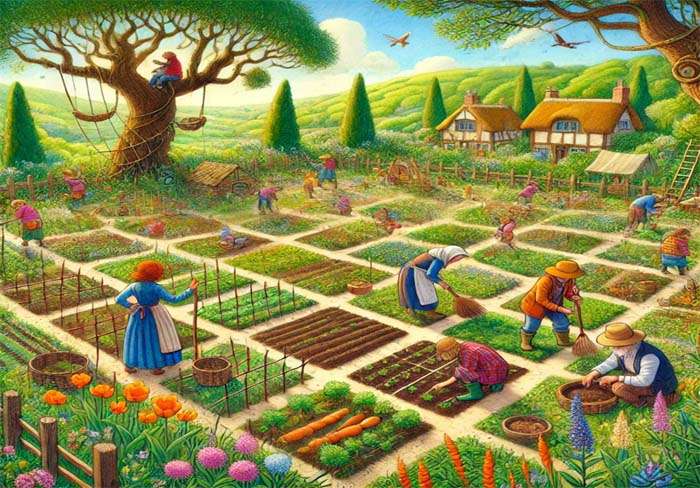
Regenerative agriculture (regen ag) represents a transformative approach to farming. By working with nature instead of against it, this method amplifies soil biology, enhances biodiversity, and integrates livestock into a self-sustaining system. When implemented properly, it can transform methane from a liability into a manageable part of the carbon cycle.
1. Soil Biology:
The Infinite Capacity
The key to infinite methane mitigation lies in the soil. Regenerative practices dramatically increase microbial populations, including methanotrophs, by improving soil health. Practices such as cover cropping, composting, and reduced tillage foster conditions that support diverse microbial life. Rich soils teeming with microorganisms are not only better at breaking down methane but also excel at capturing and storing carbon.
Continuous Plant Growth:
Growing plants year-round ensures a steady supply of root exudates, the sugars and organic compounds secreted by roots. These exudates feed microbes, including methanotrophs, creating a thriving underground ecosystem.
Plant Diversity:
A variety of plant species and families support a more diverse microbial community. Legumes, grasses, and deep-rooted perennials each contribute different nutrients and structures to the soil, fostering microbial resilience and function.
Improved Aeration:
Root systems and organic matter improve soil structure, preventing compaction and ensuring oxygen is available for methanotrophs.
2. Animals in the Cycle
Livestock are integral to regenerative systems. Grazing animals contribute to the cycle through their manure, which enhances soil fertility and microbial activity. Well-managed grazing practices distribute organic material across the land, boosting microbial populations and ensuring methane emissions from manure are quickly consumed by methanotrophs.
Managed Grazing:
Techniques like rotational grazing prevent overgrazing and allow vegetation to recover. Animals are moved frequently, mimicking the natural patterns of wild herbivores and ensuring even distribution of manure and soil disturbance.
Dung and Methanotrophs:
Fresh manure provides a rich source of methane near the soil surface. In regenerative systems, the increased microbial life ensures this methane is rapidly broken down, minimizing atmospheric emissions.
3. Closing the Loop
Regen ag operates as a closed system. The methane emitted by animals is absorbed back into the soil, where it feeds microbes and enhances the carbon cycle. Plants, in turn, capture atmospheric carbon dioxide through photosynthesis, storing it in their roots and feeding the soil. Livestock contribute organic material, stimulating the entire system.
In such a system, methane is no longer a concern because the cycle is self-regulating. The enhanced microbial population ensures that any excess methane is consumed, while plant and microbial diversity create a buffer against fluctuations in emissions.
A Vision of Infinite Potential
The beauty of regenerative agriculture lies in its scalability and adaptability. A well-managed regenerative farm becomes a methane-neutral—or even methane-negative—system. By enriching the soil, increasing microbial diversity, and integrating livestock, farmers can create a harmonious balance where methane emissions are fully absorbed and utilized.
Moreover, the benefits extend beyond methane. Regenerative systems improve water retention, reduce erosion, and increase resilience to climate extremes. They also provide healthier food and a sustainable livelihood for farmers.
The Role of Methane in Regenerative Agriculture
Instead of viewing methane as a greenhouse gas to eliminate, regenerative agriculture sees it as a natural part of the ecosystem. By enhancing soil health and integrating animals, methane becomes a resource—a fuel for microbial life that drives the carbon cycle.
In the end, regenerative agriculture doesn’t just mitigate methane emissions; it transforms them into a vital component of a thriving, sustainable ecosystem. By embracing these practices, we can create a future where agriculture works in harmony with nature, turning challenges into opportunities and securing a stable climate for generations to come.