








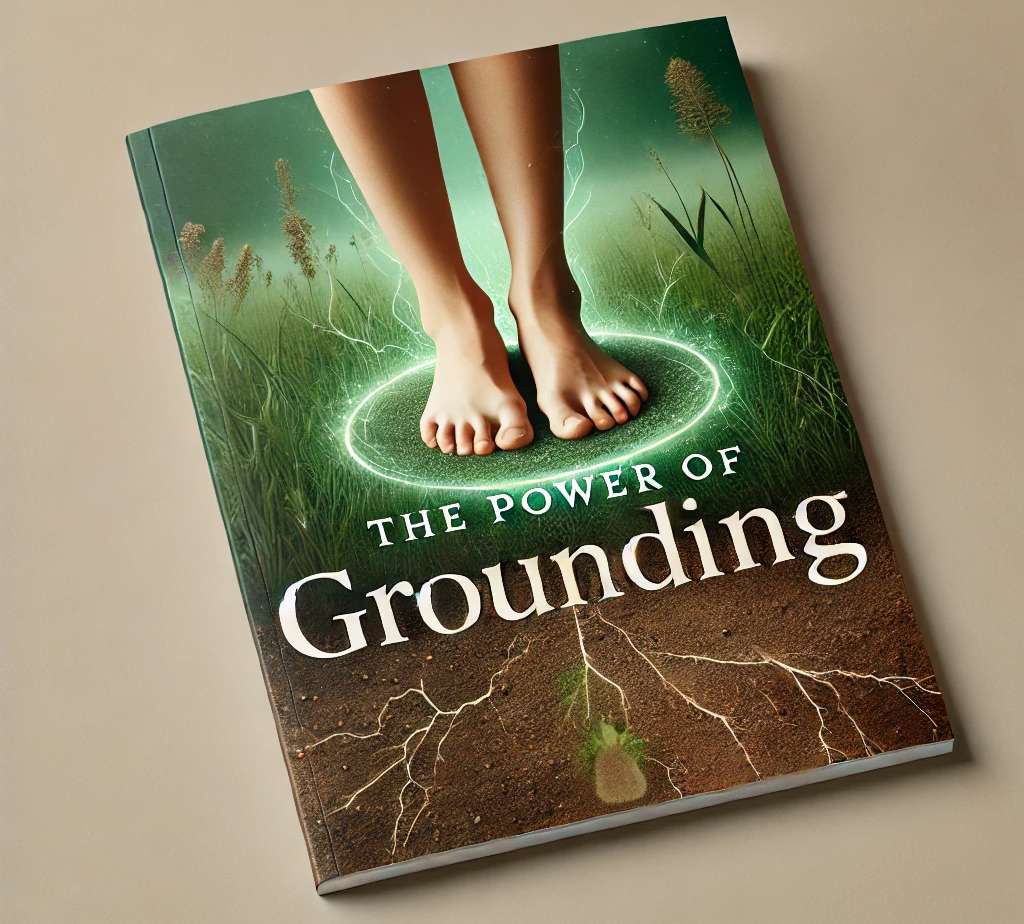
Grounding, also known as earthing, has been an increasingly discussed topic in the realms of health and wellness. While it may initially seem like a fringe or even “hippie” concept, grounding is deeply rooted in scientific observations about the body’s electrical nature and its interaction with the Earth’s surface. Clint Ober, a leading advocate and researcher of grounding, suggests that grounding has significant health benefits, particularly in supporting the immune system and reducing inflammation. Here, we’ll explore the science behind grounding, its physiological benefits, and how anyone can incorporate it into their lifestyle.
The Basics: What Is Grounding?
Grounding is the practice of connecting directly to the Earth’s surface, whether by walking barefoot outside, swimming in a natural body of water, or even using grounding mats indoors. The Earth itself has a natural negative electrical charge, abundant with free electrons. These electrons, originating from the sun and the Earth’s molten core, create a sea of free, negatively charged particles that we, as humans, can access by making direct contact with the ground.
In our modern environment, it’s easy to forget that human beings evolved in constant contact with the Earth. For millennia, our ancestors walked barefoot or wore simple leather moccasins that conducted the Earth’s energy. In contrast, today’s synthetic-soled shoes and indoor lifestyles isolate us from the ground, effectively cutting off this connection.
The Science of Grounding
The concept of grounding draws from basic principles of physics, specifically the role of electrons. When we are in direct contact with the Earth, our body absorbs free electrons, which then work to neutralize positive charges from free radicals. Free radicals are reactive oxygen species produced by the immune system, used to target and destroy pathogens. However, if unregulated, these free radicals can harm healthy cells, leading to inflammation—a process that has been linked to various chronic diseases, including autoimmune disorders, cardiovascular disease, and even cancer.
Grounding is thought to address this problem by providing a constant supply of free electrons. Ober explains that when the body is grounded, it stabilizes its electrical environment, reducing static charges and lowering inflammation. Research shows that grounding not only reduces the physical symptoms of inflammation but also has a measurable impact on physiological markers.
Grounding and the Immune System
The immune system’s role is not only to fight pathogens but also to maintain cellular health. When cells are attacked or damaged, the immune system responds with inflammation. This process is normal and beneficial in acute injuries but problematic when it becomes chronic. Chronic inflammation has been identified as a precursor to numerous health issues, from arthritis to diabetes.
Clint Ober emphasizes that grounding is particularly beneficial for the immune system. As the body absorbs free electrons from the Earth, it receives a natural supply of antioxidants that neutralize reactive oxygen species. When inflammation in the body is reduced, pain decreases, blood flow improves, and the body’s natural healing processes are enhanced.
Grounding’s Effect on Blood Viscosity and Pain
One of the most fascinating findings in grounding research is its effect on blood viscosity. When people are grounded, their red blood cells carry a slightly negative charge, causing them to repel one another. This prevents the cells from clumping together (known as rouleaux formation), which can lead to “sticky blood” and increase the risk of cardiovascular issues. Blood with a lower viscosity flows more freely, delivering oxygen and nutrients more efficiently throughout the body.
This has a direct impact on pain. Many individuals who practice grounding report that their pain decreases significantly, sometimes within minutes of grounding. A reduction in blood viscosity means less pressure on blood vessels, which can help alleviate chronic pain, including joint pain and muscle soreness.
Grounding and Cortisol Rhythms
In addition to reducing inflammation, grounding also helps regulate cortisol, the body’s primary stress hormone. Ober’s studies have shown that grounding can synchronize cortisol levels, particularly during sleep. Cortisol follows a diurnal rhythm, typically peaking in the morning and declining throughout the day. People who are chronically stressed or suffer from sleep disturbances often have erratic cortisol patterns. When cortisol levels are imbalanced, the body’s immune response, energy levels, and overall stress tolerance can suffer.
In a study with 12 participants, Ober measured cortisol levels before and after sleeping on a grounding mat. After grounding for six weeks, cortisol levels were more balanced across participants, particularly in the early morning hours, indicating an improved stress response and better quality of sleep.
How to Practice Grounding
One of the appealing aspects of grounding is that it’s accessible to almost everyone and requires minimal equipment. Here are several simple ways to practice grounding:
1. Walk Barefoot Outdoors: The most natural way to ground is to walk barefoot on grass, sand, or soil. Even standing barefoot on a concrete surface can work since concrete conducts energy from the Earth.
2. Swim in Natural Waters: Oceans, lakes, and rivers are excellent for grounding, as water is a good conductor of electricity. Swimming or wading in these bodies of water connects you to the Earth’s natural energy.
3. Use Grounding Mats or Pads: For those who live in high-rise apartments or urban areas, grounding mats are a convenient alternative. These mats, connected to a grounded electrical outlet, mimic the effect of standing barefoot on the Earth and can be used while sleeping, working, or relaxing indoors.
The Controversy and Skepticism
Grounding’s appeal lies partly in its simplicity, but this simplicity has also led to skepticism, with some dismissing it as pseudoscience. However, the emerging research on grounding’s effect on inflammation, pain, cortisol rhythms, and blood viscosity provides compelling evidence for its biological impacts. Some skeptics argue that grounding’s effects are purely placebo-driven, but studies showing measurable physiological changes suggest otherwise. While more research is needed, particularly large-scale studies, grounding offers a low-risk intervention that may benefit various health conditions.
Conclusion: Grounding as a Natural Health Tool
Grounding may be one of the simplest yet most impactful health practices available to us. By reconnecting with the Earth, we can tap into a powerful source of free electrons that help to reduce inflammation, regulate stress hormones, and improve blood flow. In a world filled with technological advances and synthetic environments, grounding reminds us of our evolutionary roots and the health benefits of a more natural lifestyle.
While grounding is no cure-all, its potential for health improvement is noteworthy. With the evidence mounting, grounding provides a safe, cost-free method for individuals seeking to enhance their well-being naturally. Whether by walking barefoot, swimming, or using grounding mats, grounding is a practice that anyone can incorporate into daily life, potentially reconnecting us to a foundational aspect of our health and vitality.